
Coloring Pages for Toddlers (Ages 2–3)
A two-year-old does not color inside the lines, and these pages do not expect them to. Every toddler page here is one big, friendly shape with an outline about 7 points wide, roughly five times thicker than a standard coloring book line. That width does two things: it hides wobbles, and it gives a small hand a wide target to aim for. There is nothing else on the page to distract from the one thing your child is looking at.
29 free pages in 3 collections for this age
Collections for ages 2-3
Every toddler page
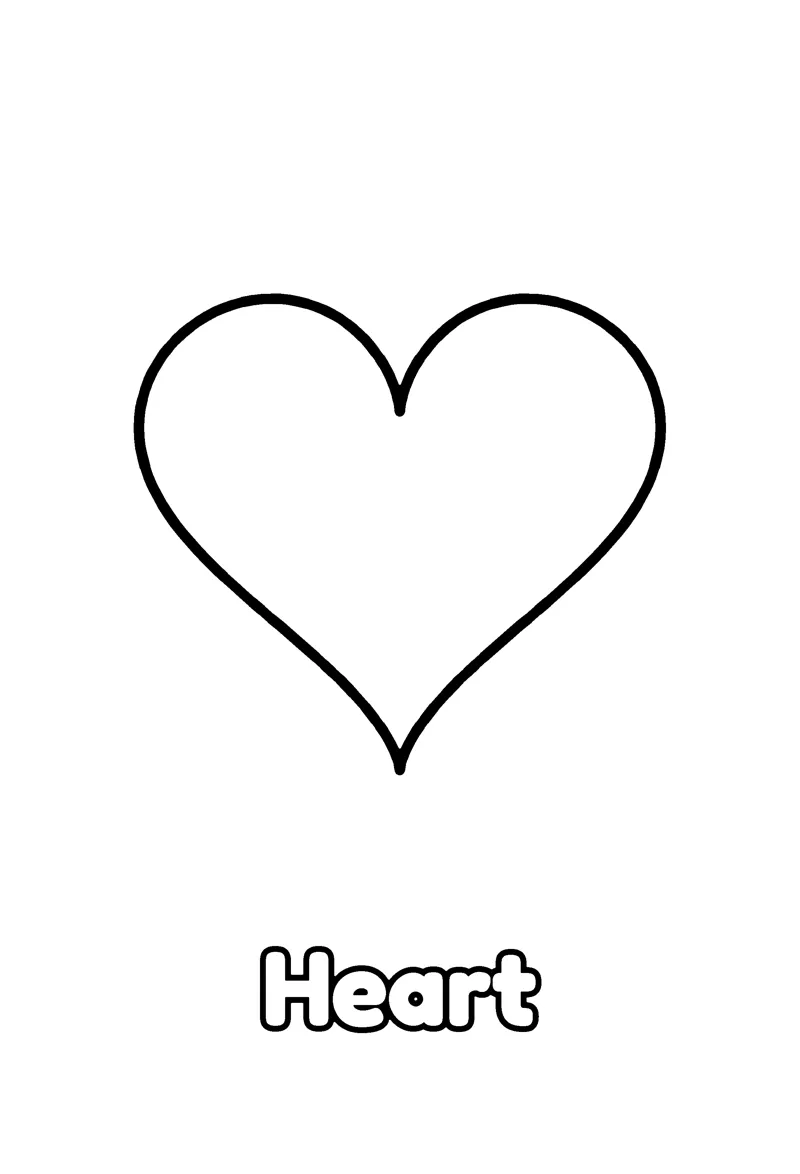
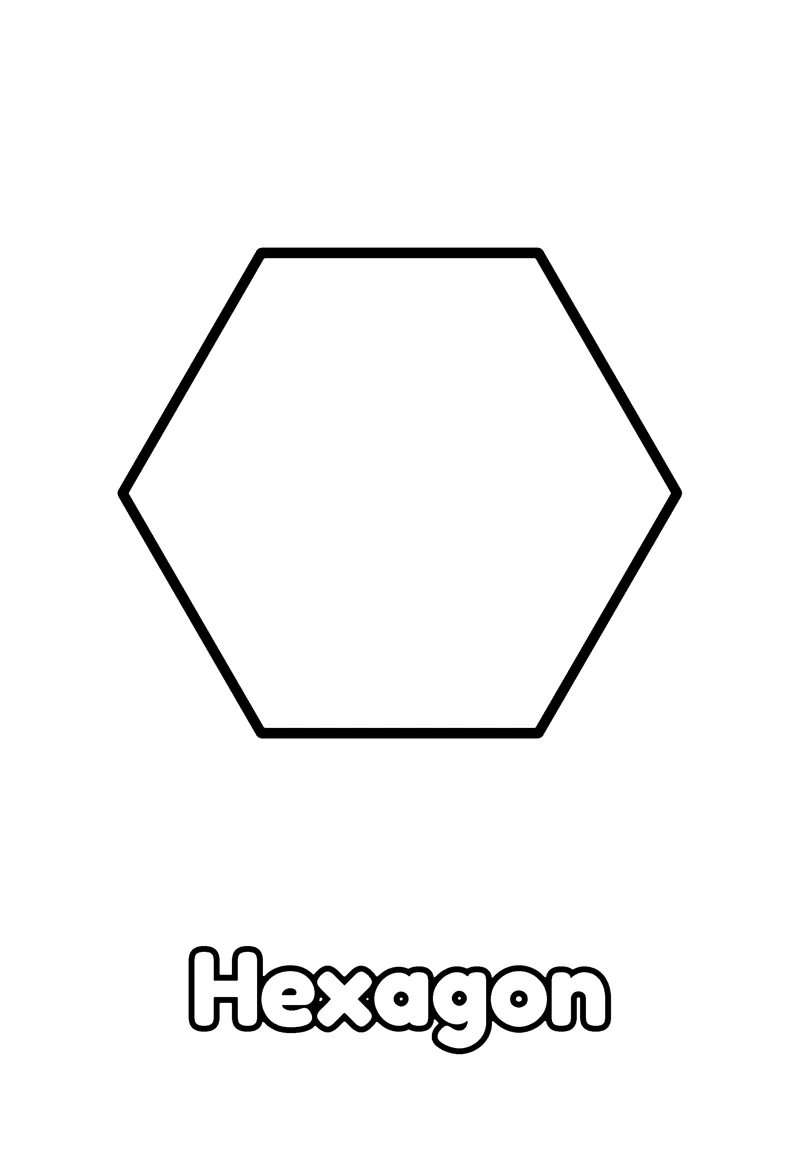
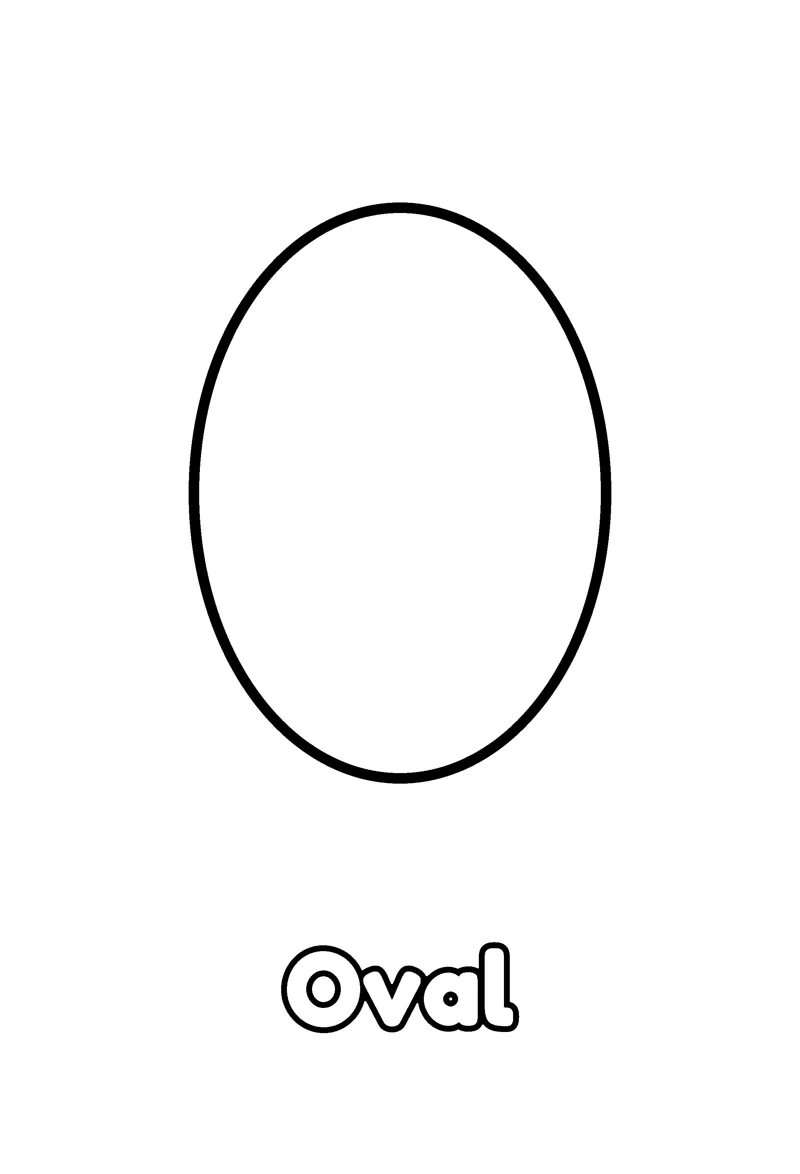
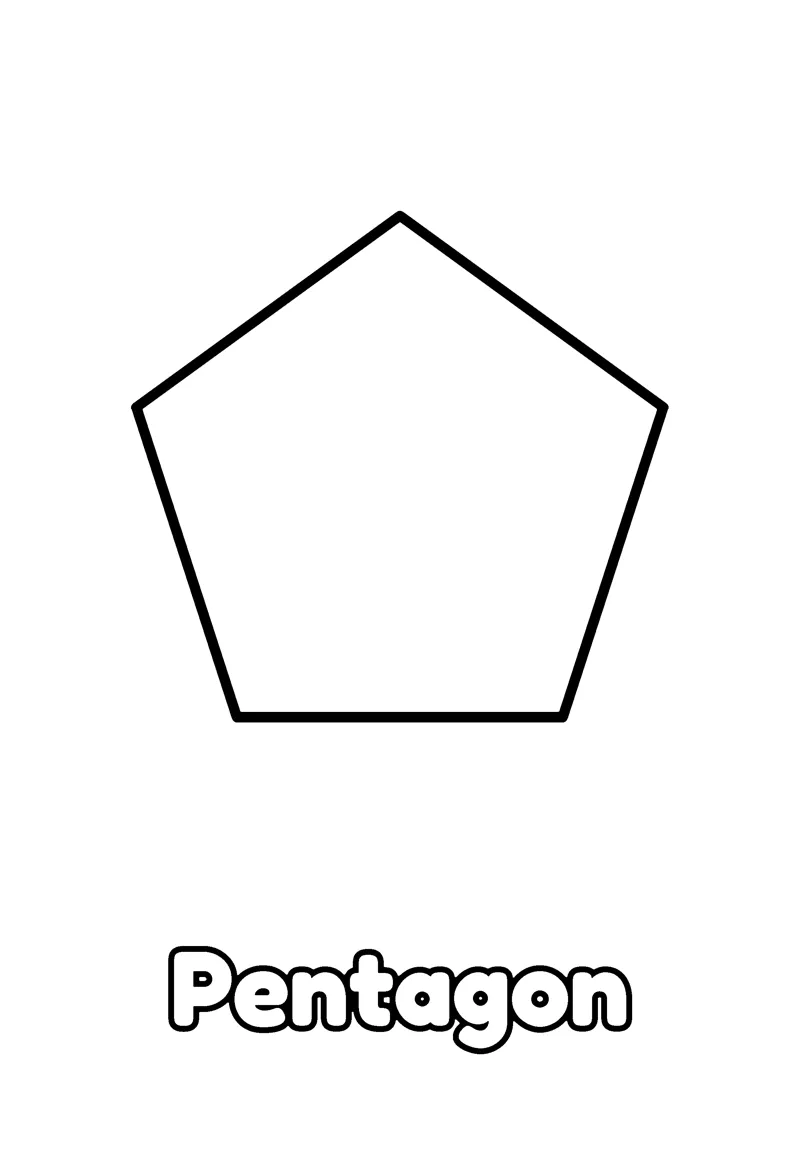
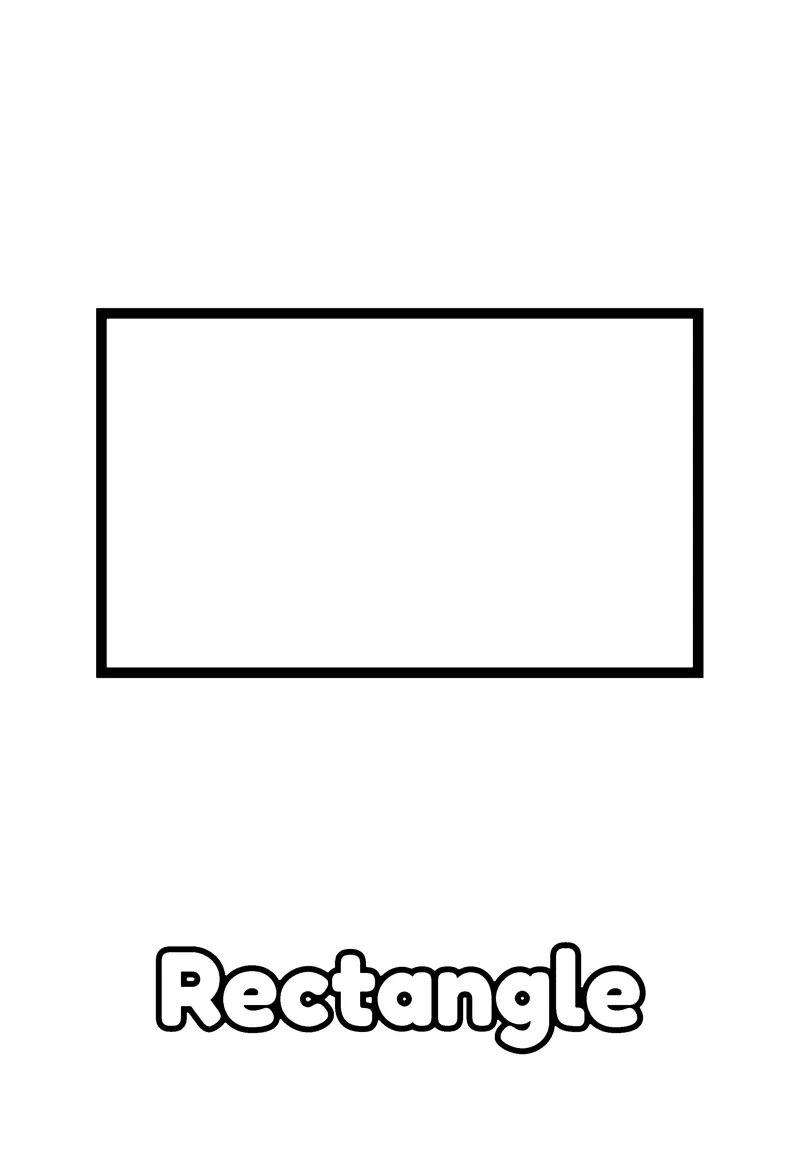
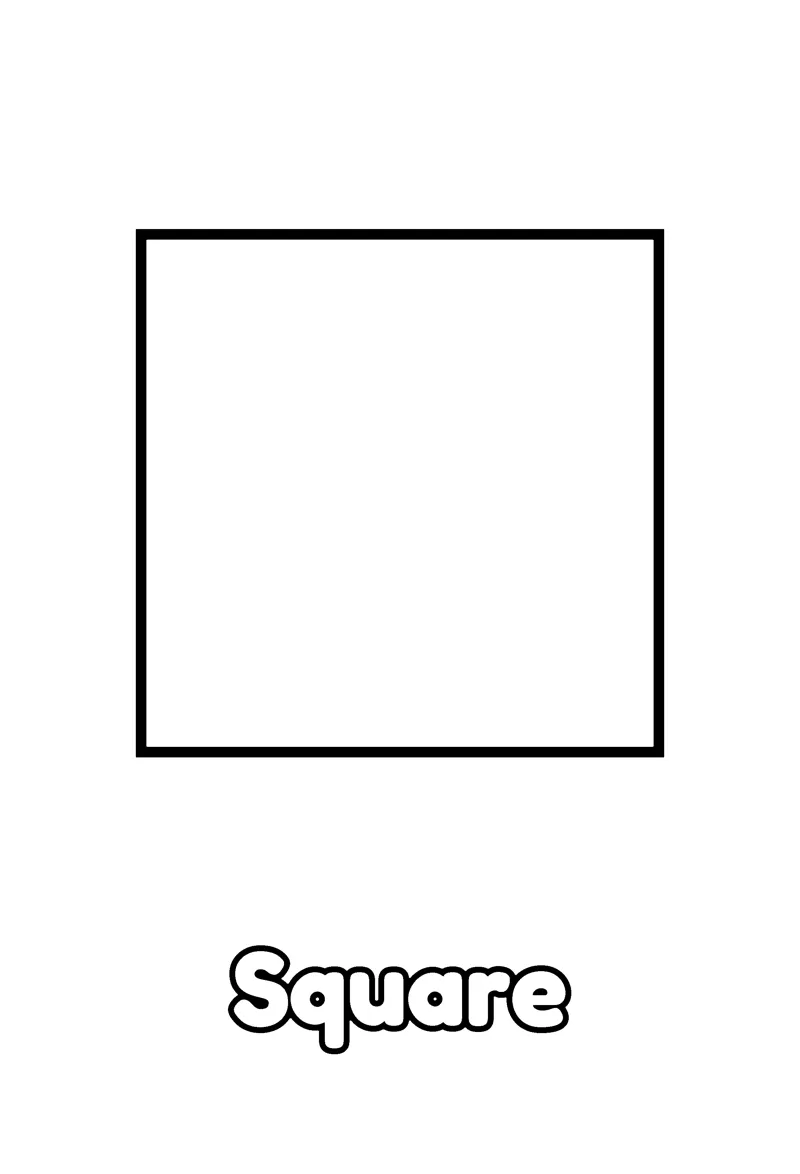
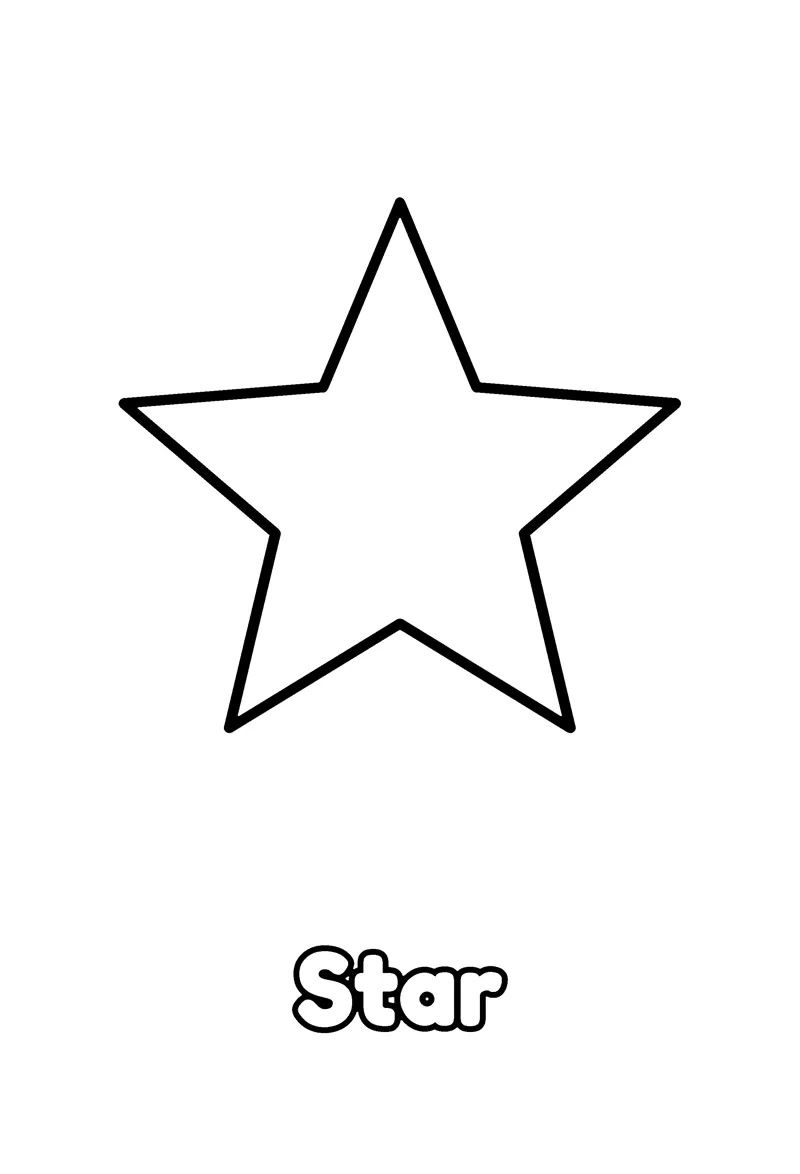
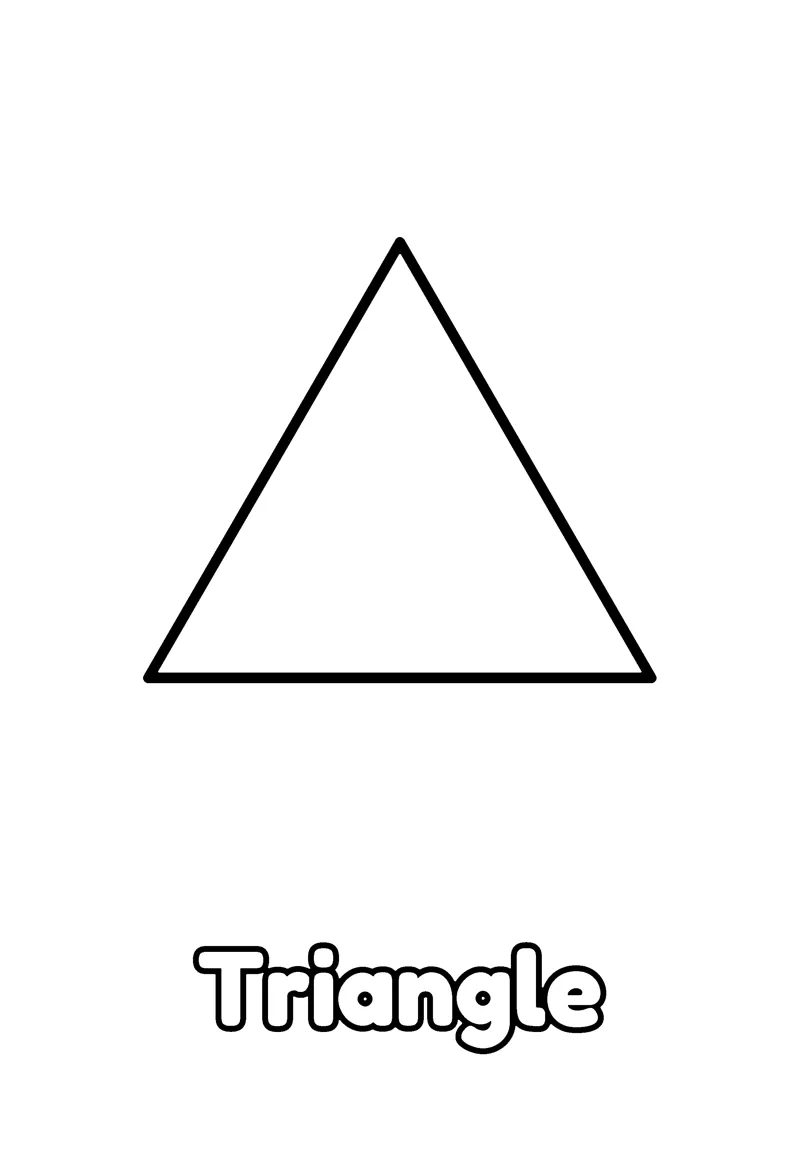
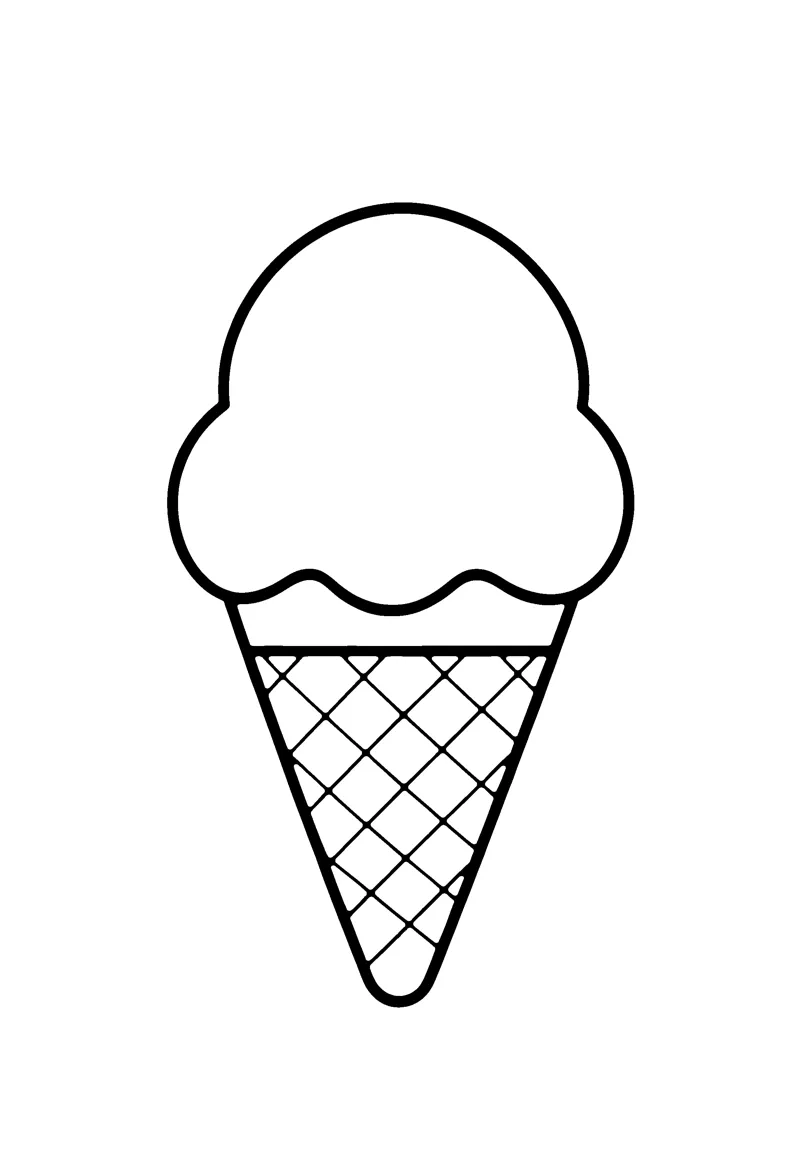
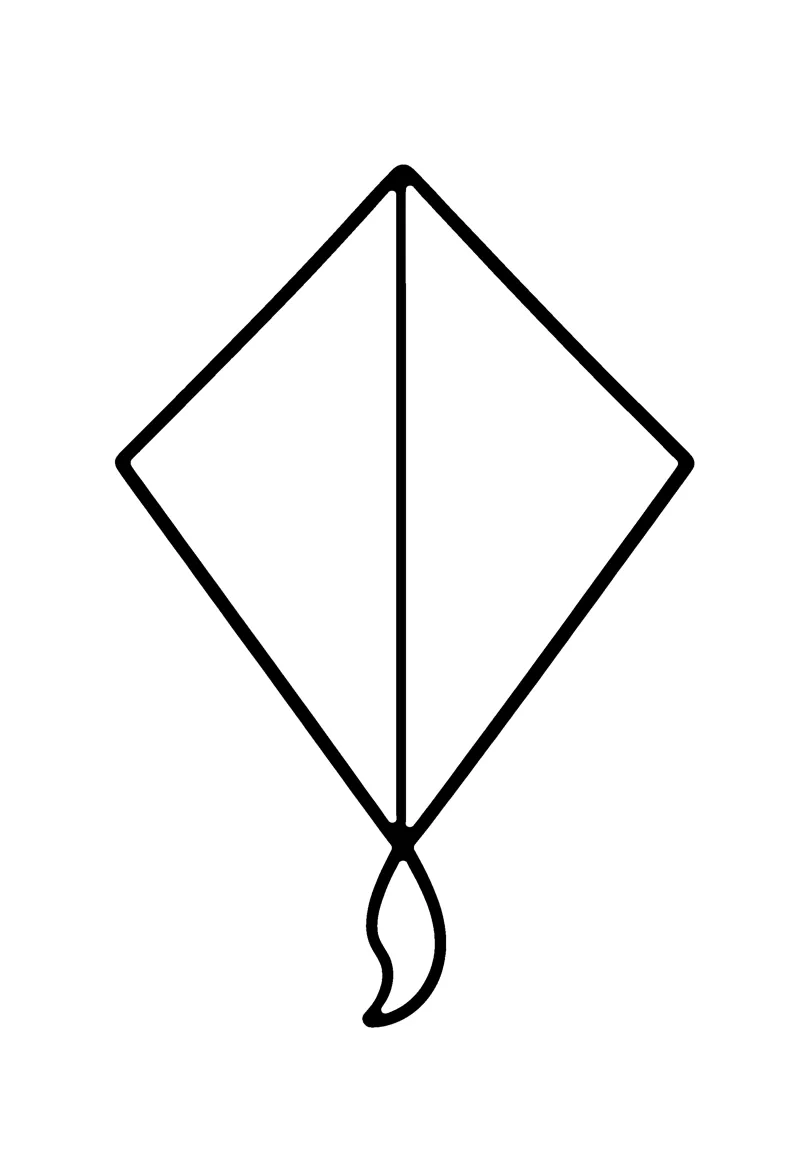
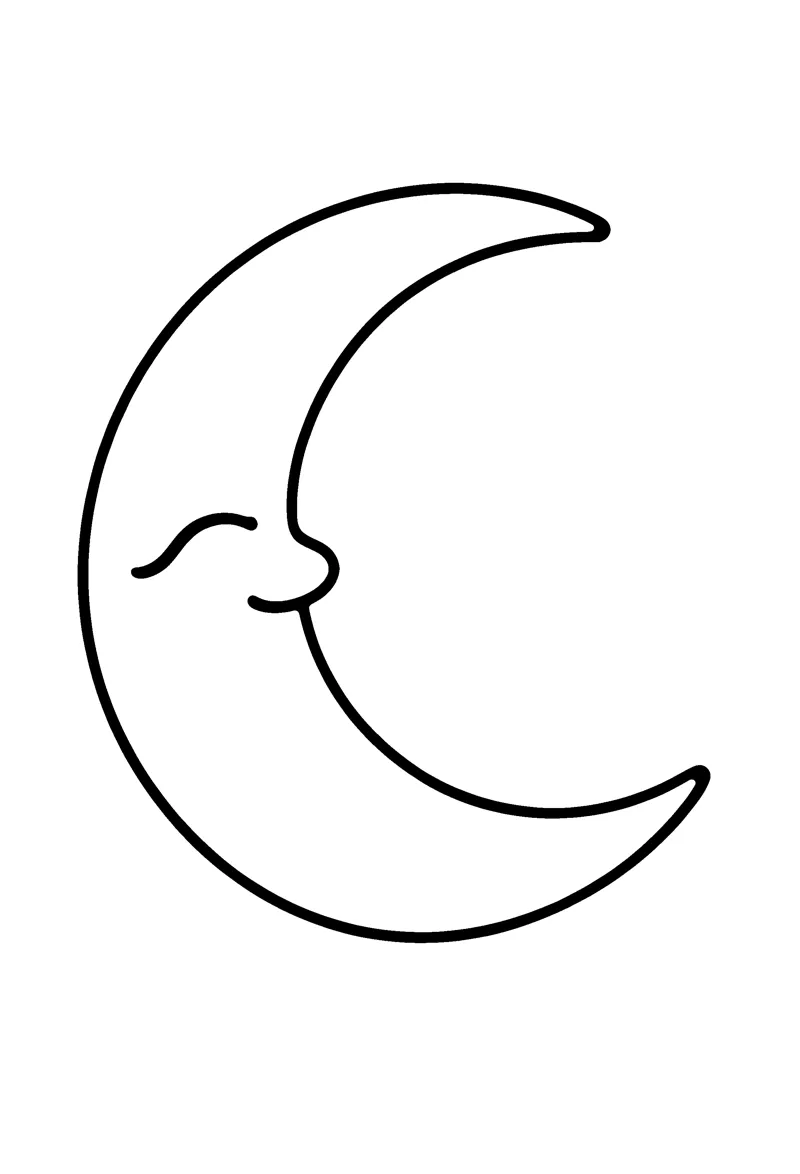
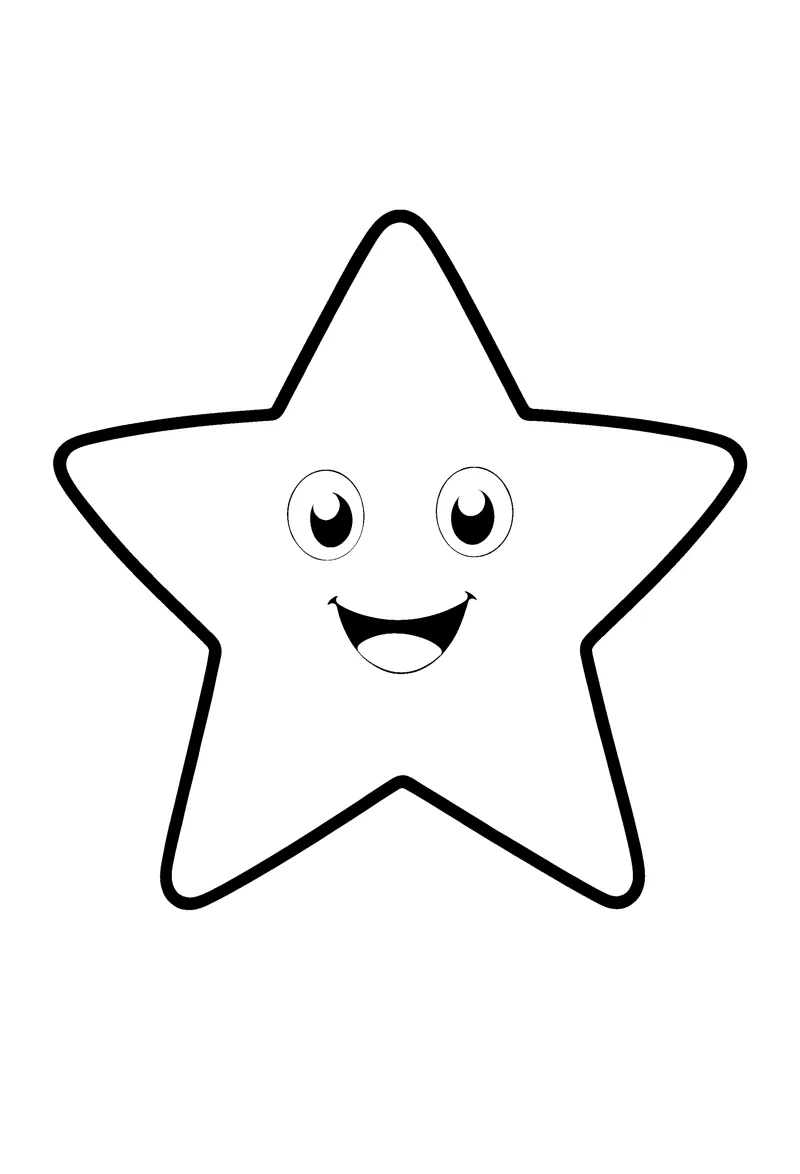
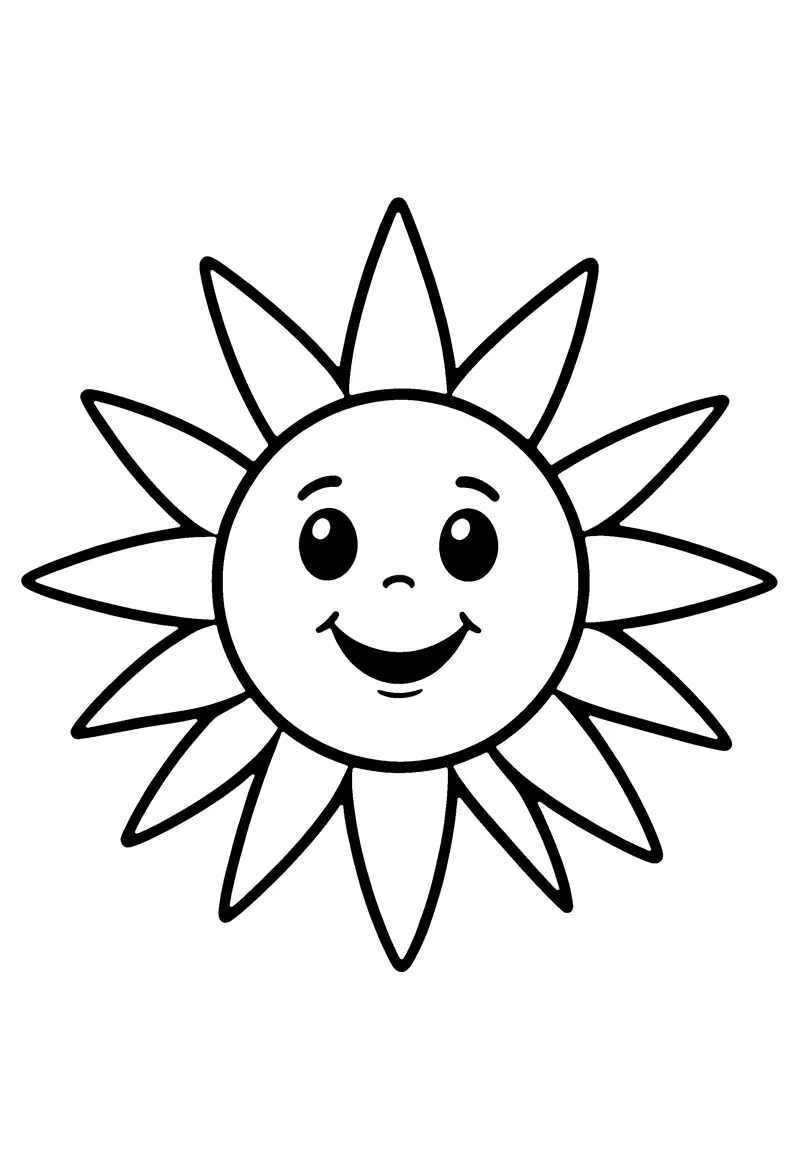
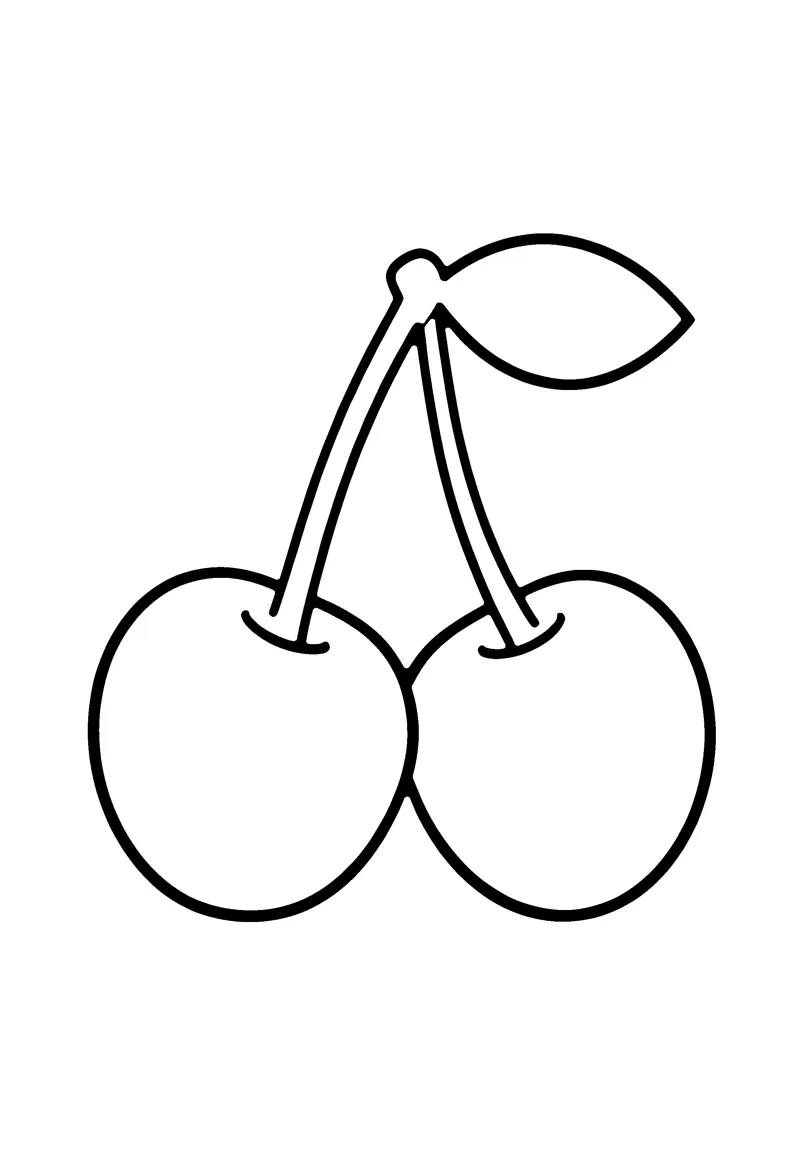
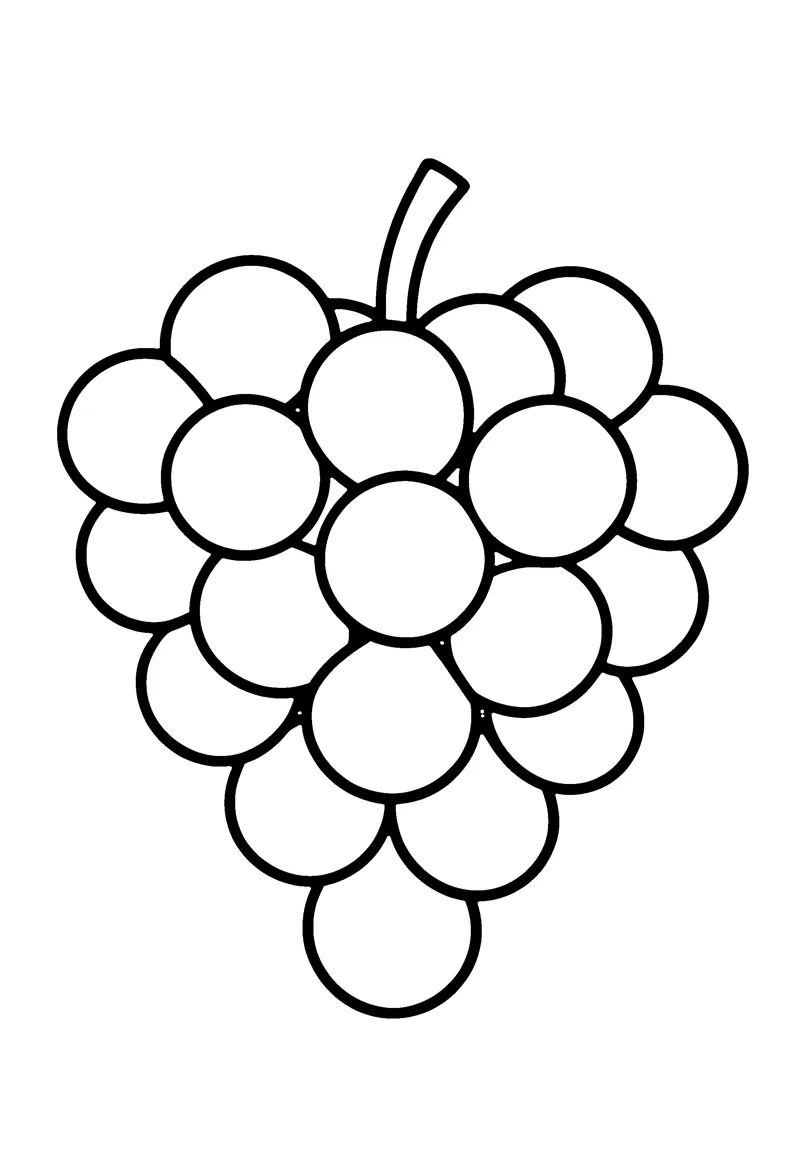
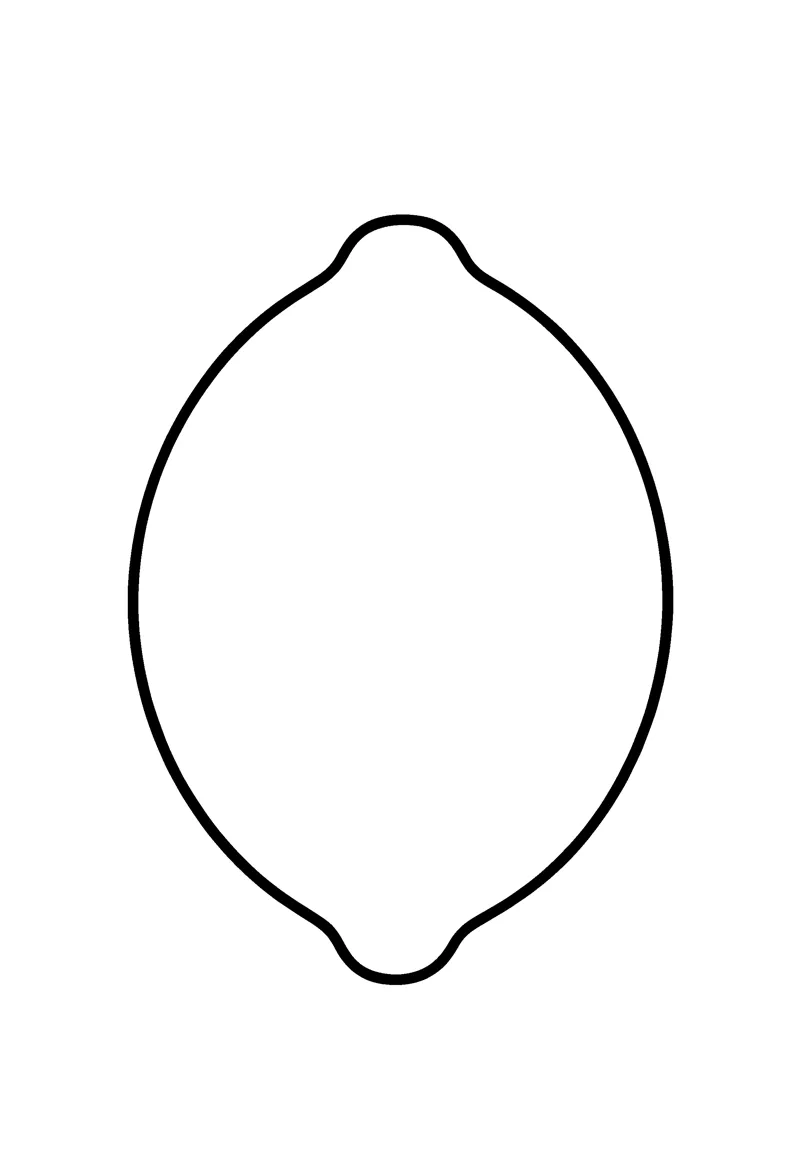
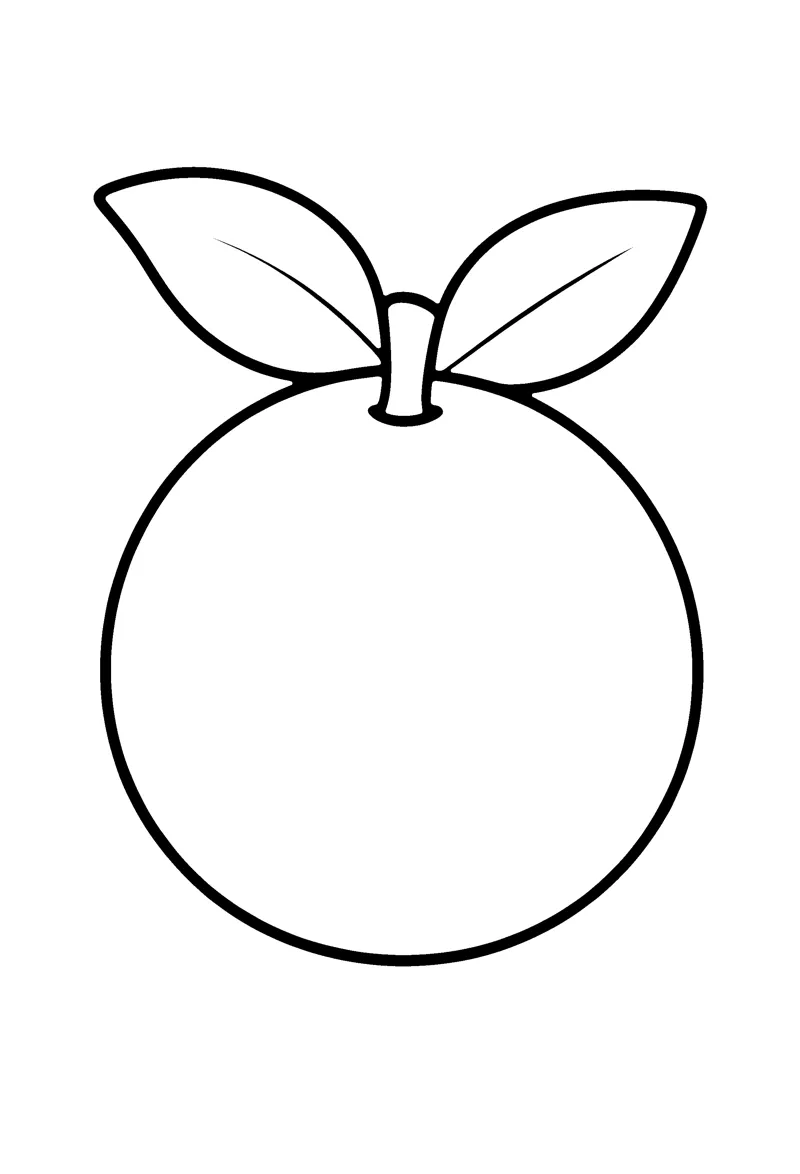
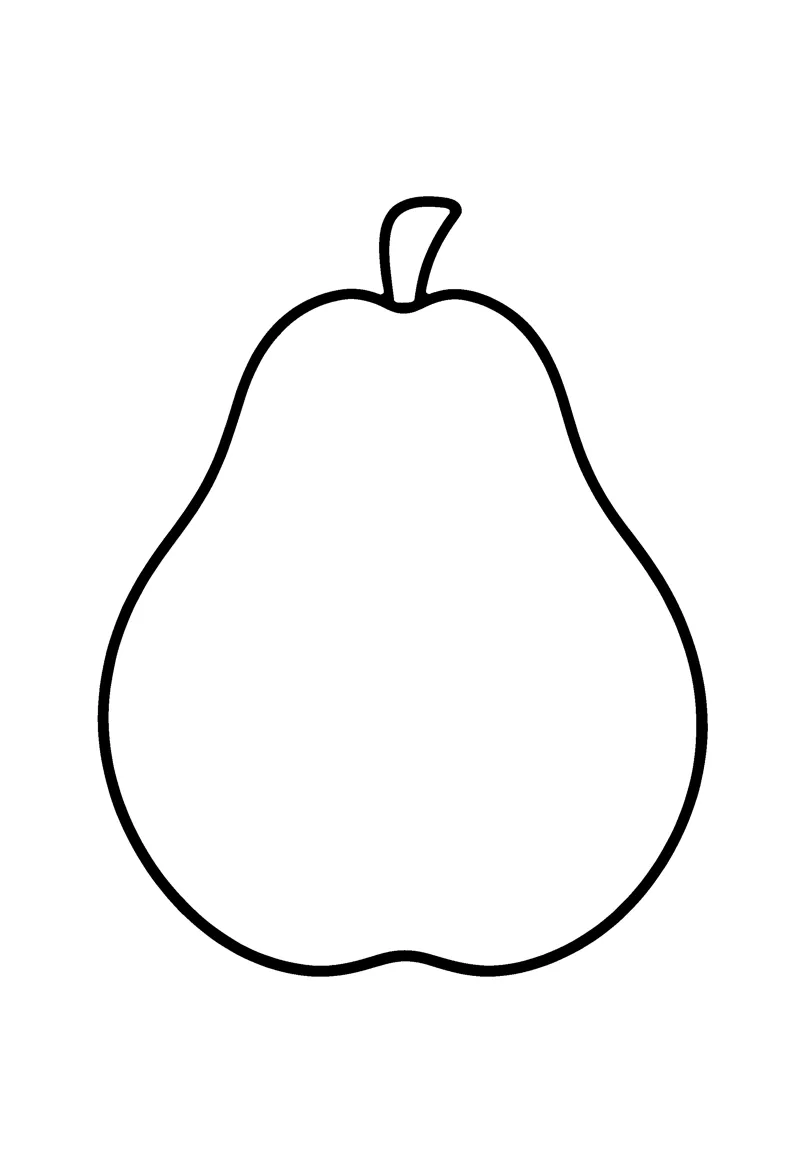
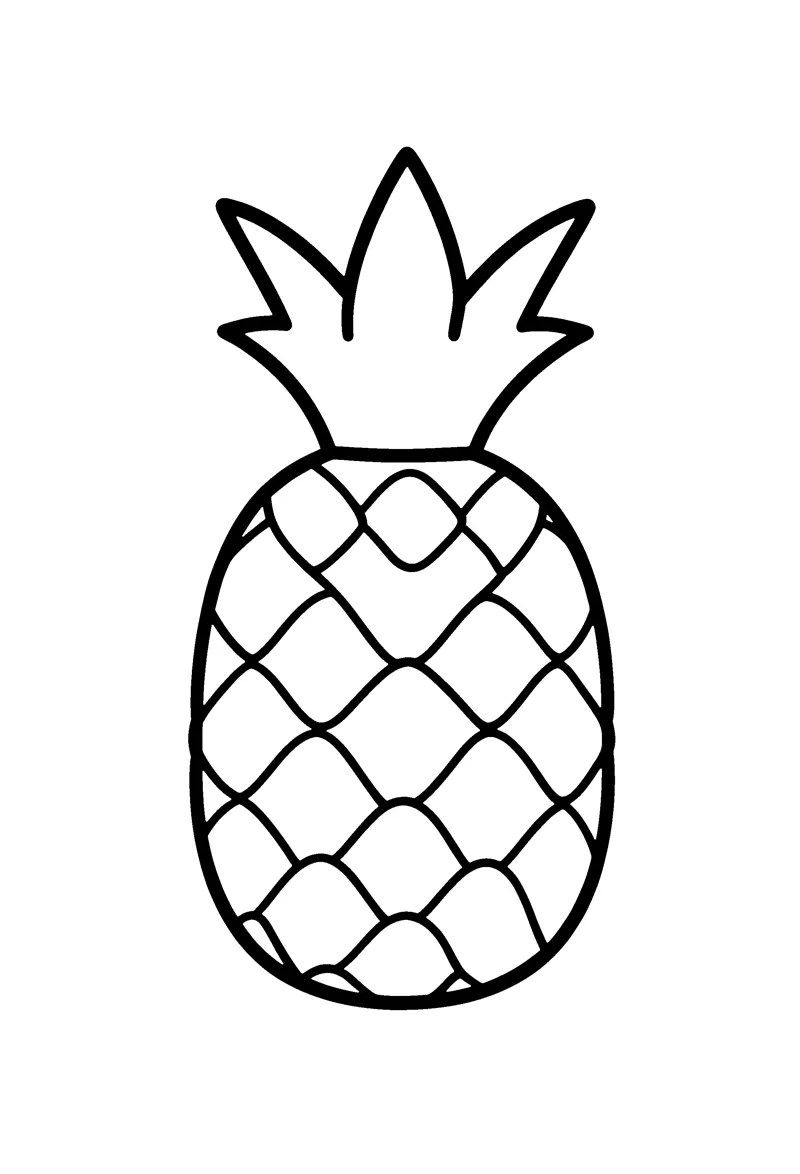
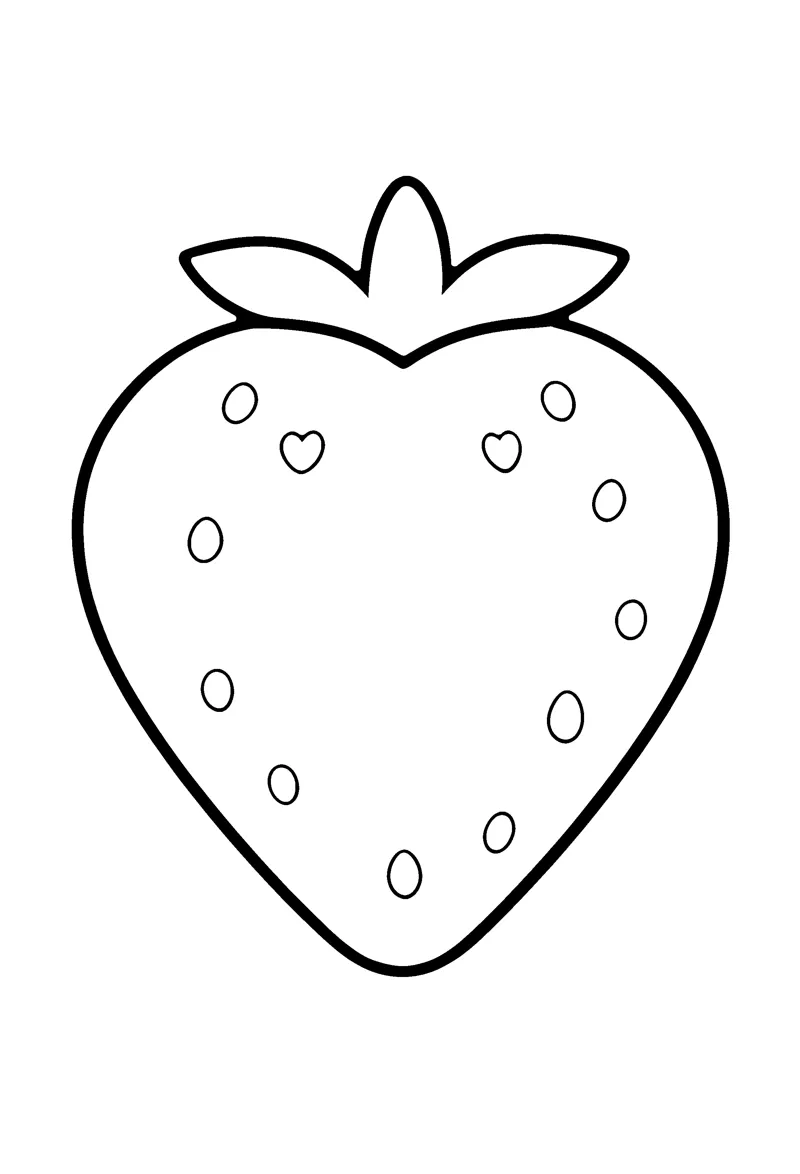
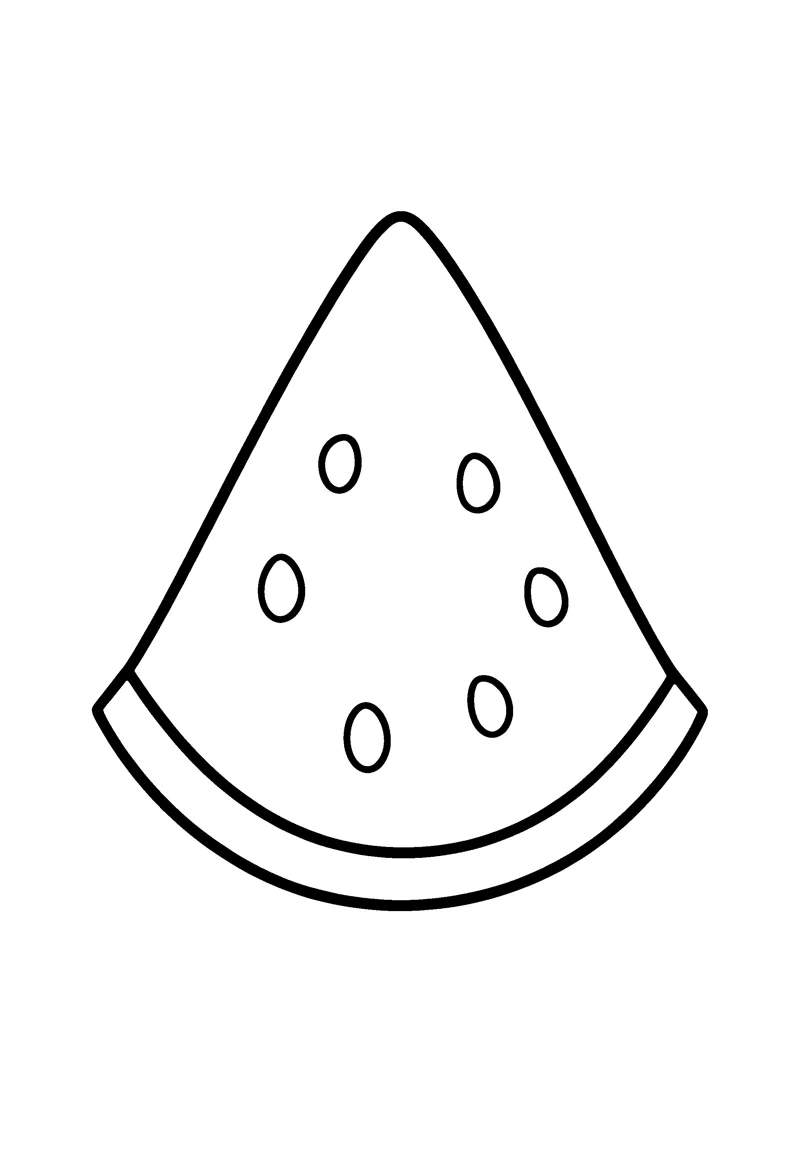
What a toddler's hand can actually do
Between two and three, most children hold a crayon in a fist or a palm grip and move it from the shoulder, not the fingers. Marks are big arcs and back-and-forth scribbles. Fine wrist control, the kind needed to trace a thin line, usually arrives closer to four. So a page built for this age has to reward large movements: one shape, big open areas to fill, and no small details that only a precise hand could reach.
That is why our toddler tier has the fewest lines of any page on the site. A single apple, a single circle, a single fish. If a page needs a second element to make sense, we keep it tiny and off to the side so it never competes with the main shape.
What works at this age
Chunky crayons or egg-shaped crayons are easier to hold than pencils, and washable markers give a satisfying bold color with very little pressure. Tape the page to the table so it does not slide. Sit beside your child, name the shape and the color out loud, and let them scribble. Two or three minutes of real attention is a good session; stopping while it is still fun makes them want to come back.
Heavier paper (120 gsm or more, or card stock) survives enthusiastic pressure and tearing much better than copy paper. If you only have thin paper, put a second sheet underneath.
How to print
Every page downloads as a PDF in both A4 and US Letter. Open the one for your paper and print at 100% scale, not "fit to page", so the line width comes out exactly as designed. Black ink only, so even a draft-quality print looks crisp. The whole collection can be downloaded at once as a ZIP from each collection page.
Where to start
Basic Shapes is the easiest set on the site: a circle, a square, a heart, each on its own page. Fruits comes next, because the shapes are still simple but there is an obvious "right" color to talk about. When those feel easy, move up to the preschool tier, where pages have one subject with a few simple details.
Questions parents and teachers ask
What age can toddlers start coloring?
Most children can hold a chunky crayon and make marks on paper from around 15 to 18 months. Purposeful coloring of a shape, rather than scribbling anywhere on the page, usually starts between two and three. Our toddler pages are designed for that stage: one large shape and a very thick outline that gives them something to aim at.
Why are the lines so thick?
A thick outline forgives the wobbles that every two-year-old makes, so the finished picture still looks like the thing it is supposed to be. It also acts as a wide visual boundary that is easier to see and easier to stop at. Our toddler pages use an outline about 7 points wide; a typical coloring book line is 1 to 2 points.
Crayons, markers or paint for a two-year-old?
Chunky or egg-shaped crayons are the easiest to grip and are hard to break. Washable markers give strong color with little pressure and work well for children who press lightly. Finger paint and dot markers are great on these pages too, because the areas to fill are large. Skip pencils and thin markers until the grip matures.
Are these pages really free?
Yes. Every page is a free PDF download for personal and classroom use, with no sign-up. You may print as many copies as you need for your own children or students. Reselling or redistributing the files is not allowed; see our terms for details.